PA is investing in AI and broadband — while regulating away the gains
From home workshops in Erie to small offices in Philadelphia, Pennsylvania’s entrepreneurs are fueling a quiet boom. Once known for steel and smokestacks, our state is now becoming a hub not just for energy and data centers, but for thousands of small businesses building the digital economy from the ground up. More than two million non-employer firms — often one-person businesses operating from homes, garages, and small offices — generated over $112 billion in receipts in 2021, according to the U.S. Census Bureau. That figure has risen sharply over the past decade. Research shows digital advertising has been a key driver of this growth, giving entrepreneurs the tools to expand and compete.
Unlike costly billboards along the Turnpike or ads in local newspapers, digital advertising is the great equalizer. My specialty construction business depends on it. It’s affordable and precise, allowing me to reach the right audience at the right time. It also funds the free and low-cost media that Pennsylvanians rely on every day. And I’m not alone — the internet marketplace is growing more than eleven times faster than the U.S. economy overall.
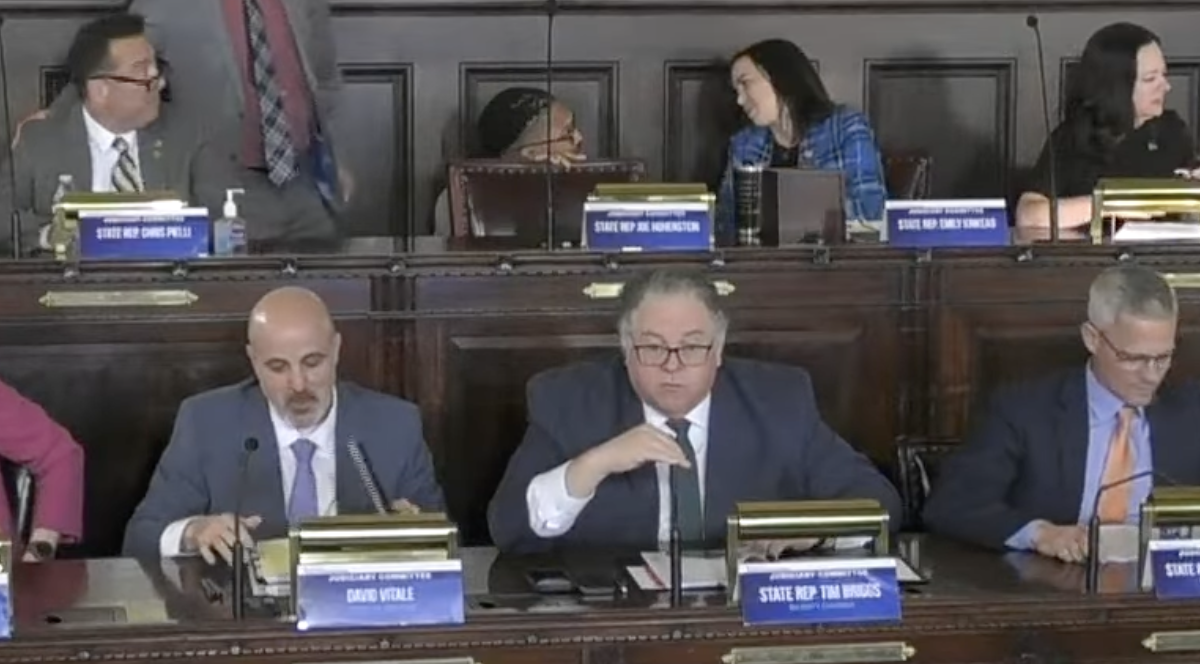
But now state officials are considering a bill that could change everything for small businesses across the commonwealth. Following the example of Maryland, state representatives have proposed a tax on companies like Google and Meta for the revenue they make selling advertising space based on anonymous, targeted data.
On paper, this sounds like a way to “rein in Big Tech.” In practice, it would simply raise advertising rates and cut off access to the very platforms small businesses rely on. Instead of corralling giant corporations, the bill allows them to pass the costs on to the people who need digital tools the most. If enacted, H.B. 1678 would take effect as soon as 2026 — leaving small businesses to absorb the blow.
Pennsylvania can’t celebrate becoming the “state of software” while taxing the very tools that help small businesses benefit from it. Infrastructure and investment are only half the story — without affordable digital marketing, entrepreneurs won’t share in the gains of this new economy.
Restricting data-driven advertising and marketing would not only harm my company but also the 99.6% of Pennsylvania businesses that are small enterprises. These cost-effective, precision tools allow us to make a living, support our families, and invest in our communities.
That’s why it’s so important for local lawmakers to avoid policies that raise costs or limit access to these tools — whether through new taxes or overly complex data privacy rules. Pennsylvania should heed the lessons of Maryland and California, where these approaches have driven up costs and compliance burdens.
Pennsylvania’s federal delegation, such as Senators John Fetterman (D) and Dave McCormick (R), also have a critical role to play in protecting small businesses from new ad taxes, restrictions on personalized advertising, and a patchwork of state privacy laws. Small businesses are the backbone of Pennsylvania’s economy. If we want growth, jobs, and strong communities, we need leaders at every level to keep digital tools affordable and accessible so this boom can continue.
Carpentry business owner William Hillman has worked as a political consultant throughout the country for 30 years.