How to raise adults and plants
This has always been my philosophy: You don’t raise children, you raise adults. Just like plants — but that analogy will be addressed a little later.
It starts with pregnancy, which creates the wonder of a growing life inside the mother. And with that wonder there are additional concerns of discomfort as the baby grows and begins to make its presence known with kicks and hiccups. Thus, the mother realizes this little life is showing its reality. When birth occurs it generates a wave of happiness and stress that comes with not knowing exactly what to do with that warm bundle of baby who cries at all hours of the day and night. Well, you have entered the dilemma of parenthood which is 24/7 for the rest of your life!
Despite sounding like a life sentence, it can also be thought of as the most amazing opportunity to mold your crying baby into an independent, reasoning, and self-sufficient adult. Sounds like a lot, and it is. But a positive attitude is everything, especially when it comes to parenting.
If you wake up every day (provided you get any sleep at all), looking at the challenge of parenthood as a blank slate on which to help paint your child’s future, or looking at your child as a lovely lump of clay to help you sculpt an amazing human being, you might be on the right track.
Don’t be anxious if you fall off the track here and there. We are all human, prone to errors and mistakes. However, the saving grace of parenthood is that you learn as you go. And basically, you learn as they grow. Because you grow as a parent alongside your children.
As stated previously, parenting is not raising a child. You are raising that child to be an adult.
You teach them how to drink (starting with suckling), how to eat, how to keep their hands and bodies clean (if you are raising boys this is a particular challenge), how to crawl, walk, run, and speak. Those are more or less the basics. In some of those areas, giving choices is a good way to teach making decisions. For example, when giving a choice of food to eat, let the toddler make the decision to choose their side dishes of either mashed sweet potatoes or peas. When they choose one or the other, take the one not chosen away. This lets them know there are consequences to their decisions. They eat their choice. Reassure them that they can choose again at the next meal. Ok, so you have introduced your toddler to making the first of many adult life decisions.
Now comes probably one of the most difficult aspects of parenting: Showing by example how to respect yourself and others, grandparents, and all people of authority like teachers, religious leaders, coaches, and team members. And how to respect their siblings, provided you can get them to stop fighting over a toy or a TV program long enough to get that idea into their heads.
Then comes school and homework. The idea of more schoolwork at home after a long day of school is a sore point for most students and their parents. But keep forging on because homework teaches your child responsibility and how to meet their commitments. Which is a good thing even though it produces headaches and stress in most parents.
Sports are also good ways to help mold your children into adults. Team sports train cooperation, discipline and a sense of accomplishment. But in the interest of teaching by example, parents need to remember to fight the inclination to yell at coaches, referees, and umpires.
If your child is not into sports, but prefers dancing, singing, playing a musical instrument, or performing in a play, these endeavors help to train their brains to think in ways that are almost magical. And you, dear parents, are learning to endure endless hours of listening to them practice the same notes, dance steps or scripts over and over again.
In summary, to raise your children into responsible, respectful, clear-thinking, kind, and loving adults, you, as the parents, need to do your best to reflect those qualities. Parents can either be great examples of positive ways to attack life or negative examples that show your children what not to do. Your children will decide which examples they want to incorporate into their adult life.
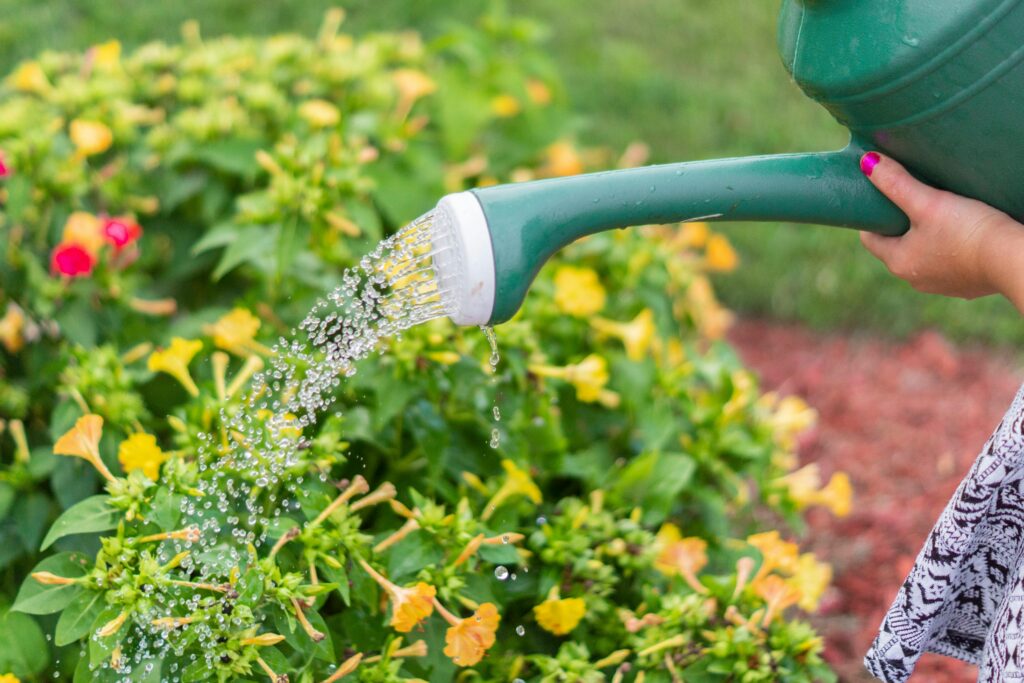
So, here is that plant analogy promised in the beginning of this column. In caring for plants, you make sure they are nourished, watered, given their needed share of sunshine, attention, love, and gentle talk, and then you walk away and let them grow.
Then, just as you did with your plants, you can replicate that with your mini-adults. Make sure they get good food, water, and lots of play outside in the sunshine. Mix that with loving attention and meaningful conversations and hope they were watching when you were showing your values by positive examples. Do not forget to help them with their math homework and pray you did it correctly. Then you can step back and watch as you let them grow.
Carol Dubas is the author of Tripod: How Two Teenage Boys Inspire An Entire Community. She lives in Northampton Township.