Philly suburbs address discrimination, diverge from Bucks model
Since my man and I met in 1988, he and I have enjoyed fruitful careers and a robust social life. We have had the rare blessing of working together at three different companies over the decades: one government agency, one family-owned business, and one Fortune 500 corporation. At each of these companies, we were hired with their full awareness of our relationship status. During our time at the corporation, we both received generous salary increases and bonuses, as well as promotions. We worked long, hard hours and were handsomely rewarded and highly respected by our co-workers and company leadership.
Those long hours led us into a lifestyle of not cooking very often — mostly only on weekends. Instead, we ate out most weeknights. We found ourselves dining in restaurants and pubs throughout Chester, Montgomery, and Delaware counties. At the places where we became regulars, we enjoyed the warm embrace of members of the staff as well as the other customers. We made friends with people from all walks of life including blue-collar workers, corporate professionals, and local business owners.
This is not to say that our lives went untouched by bigotry or discrimination. Growing up in Boston during the 60s, 70s, and into the 80s, I experienced numerous overt acts of racism directed at me. One day in high school, I walked a White girl home after class. The next day she told me that she got grounded because her grandfather saw us from window, and at dinner time he asked, “Who’s the n****r?” My man was let go from a small software company where he worked once it was discovered that he and I were in a romantic relationship. During a staff meeting, one of the company owners advised everyone to wash any coffee mugs in the break room before use because there was a “threat of AIDS in the building.” Those are just two examples.
There is certainly a need for mechanisms in society where discrimination can be addressed. The question is what should those mechanisms look like?
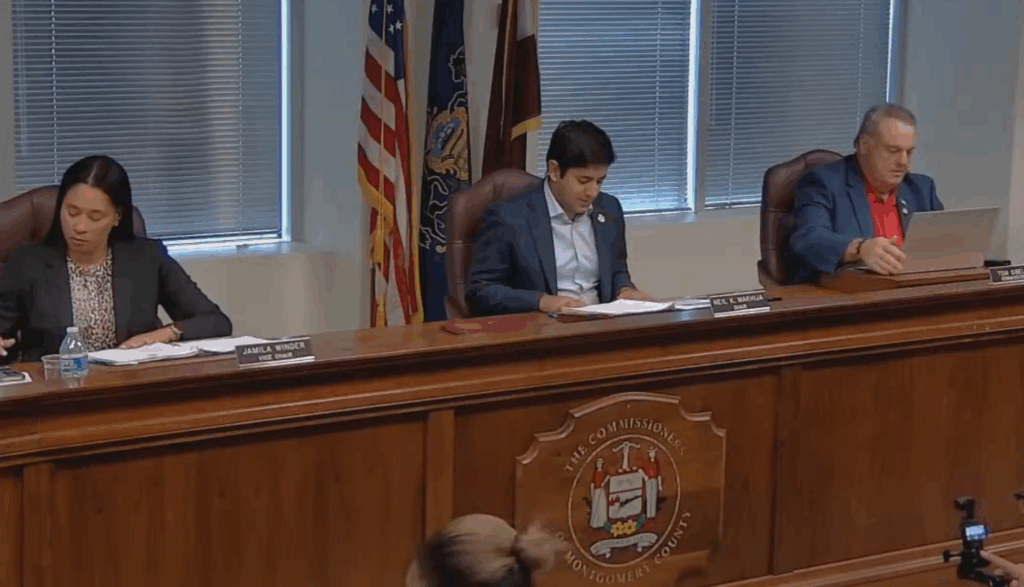
Earlier this fall, Montgomery, Delaware, and Chester counties all created Human Relations Commissions. All of this happened in seemingly rapid fashion. The commissions will be populated by volunteers who are appointed by their respective counties. According to reports from Delaware Valley Journal and Broad + Liberty, these commissions have the power to hear and investigate complaints, make determinations, and issue fines up to $500. In none of these cases are any specific training or experience with investigating or evaluating instances of discrimination required. Naturally, that lack of requirements is concerning. Without clear qualifications for human relations commissioners, and standards for evaluating discrimination complaints, decisions made by these commissions could easily become arbitrary matters of opinion.
By contrast, the Bucks County Human Relations Council (BCHRC) was founded in 1996. Language here is important. While the organizations started by the other three collar counties are “commissions,” Bucks County’s human relations organization is a “council.” As such, the BCHRC serves the community by offering referrals to citizens who have discrimination concerns. Where they refer complainants depends on the nature of the complaint. Some are referred to the Pennsylvania Human Relations Commission (PHRC).
Another difference between BCHRC and the commissions in the other collar counties is the scope of their missions. BCHRC’s mission aligns very closely with that of the PHRC. BCHRCS’s mission states, “The Bucks County Human Relations Council is dedicated to promoting the value of diversity and addressing discrimination based on age, race, color, gender, religion, creed, culture, socioeconomic status, sexual orientation, ancestry, national origin, and disability.” The Chesco, Montco, and Delco HRCs’ missions are all far more expansive, and quite similar to each other (with some variations). Chesco HRC’s language includes “…to ensure equal opportunity for all persons concerning employment, housing, and use of public accommodations without regard to actual or perceived race, color, religion, national origin or citizenship status, ancestry, sex (including pregnancy, childbirth, and related medical conditions), gender identity, gender expression, sexual orientation, marital status, familial status, physical or mental disability, source of income, age, veteran status, or use of guide or support animals and/or mechanical aids, or domestic or sexual violence victim status.”
Additionally, Bucks County has six boroughs and three townships that have adopted anti-discrimination ordinances primarily to close loopholes in state and federal law that do not cover sexual minorities. Bristol Borough and New Hope Borough can investigate and conciliate, but not hold hearings, issue factual findings, or order remedies. Doylestown Borough prohibits conversion therapy, and Yardley proposes to prohibit it.
The annual reports of the PHRC show that they receive thousands of discrimination complaints every year. Some end up in court. Some end up being settled. The overwhelming majority of complaints end up having no probable cause after being investigated.
There are federal protections against discrimination that have been in place for decades. Pennsylvania also has the PHRC. I don’t know that municipal-level overlays are particularly useful. I do think that if counties are going to direct any time, effort, or resources toward combating discrimination, the Bucks County model seems far more appropriate than what has been implemented by the other three collar counties.
Milo Morris is a Bucks County resident, opera singer, and chairman of the Black2Red PAC.