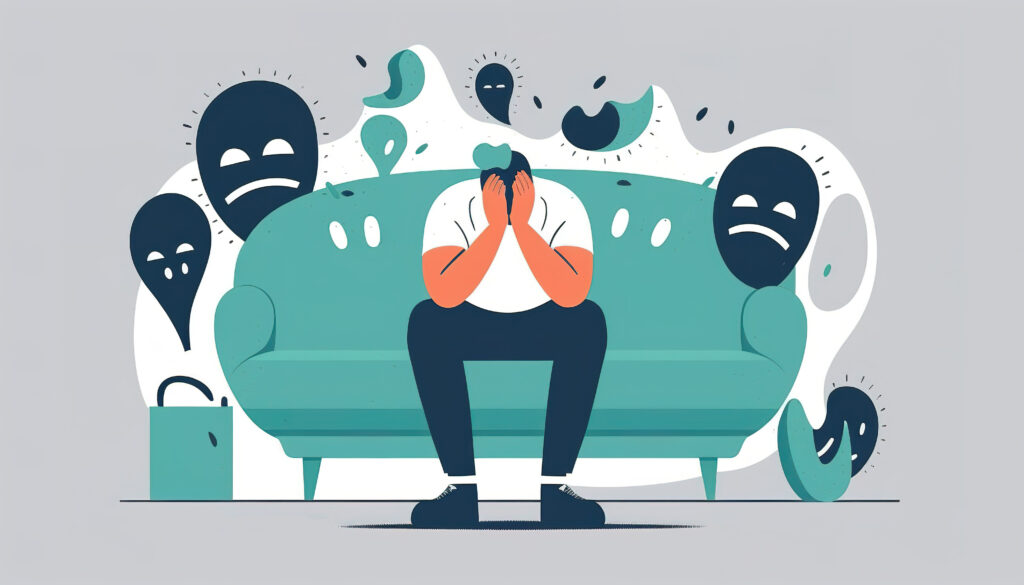
Mental health crisis in America on replay
We’ve had another shooting of innocents in a traditionally safe place — a church. Sadly, we easily recall other attacks across the nation in churches, synagogues, and schools. Through media coverage, we know too many of the shooters were mentally disturbed individuals whose angry inner pain smoldered unknown to anyone but themselves until the fateful day they decided to kill innocent children and strangers.
There is a mental health crisis in America.
As I said in another recent opinion piece I wrote: This is about mental illness, which has come to the fore since the recent shootings and the deaths of two innocent children at prayer in the Annunciation Church on the first day of school. It made national news and everyone was crying and praying and wondering why. One “answer” came from local and national officials at the microphone as they railed against guns.
Mental illness is the key factor, perhaps the underlying cause of many of these national horror stories. The professionals addressing the mental illness crisis don’t get the media attention they need to shine the brightest light on its tragic reality.
It has been reported that nearly 40% of all Americans believe mental health issues are less serious than physical conditions. Consider that. Yet, almost 60 million Americans experienced some form of mental illness in the last year. And one in five adults and one in six between the ages of six and seventeen years experience a mental illness each year, according to the National Alliance on Mental Illness, which has an affiliate in Bucks County.
In this discussion, it is very important to understand that not all mental health issues beget extremism or violence. Many individuals and families have been touched by mental illness, which indicates a need for local services and awareness. Notably, there is an eleven-year average gap between the times mental illness symptoms first appear and when an individual receives care.
Clearly, after every heartbreaking event like the most recent in Minneapolis, the anti-gun movement reemerges, distracting from the psychological conditions that tortured these individuals who ended up destroying human lives.
Banning on certain guns is a common theme among agenda-driven politicians reacting to these tragedies. It’s commonplace today in our political world to take advantage of the fear everyone is feeling to persuade people that guns are the problem in America. (It’s a legitimate debate for another time and place.) On the other hand, you may recall there was no opportunity to make that point after the brutal murders of four, Idaho college students, who were stabbed to death by an evil madman.
We certainly need to be mindful of crime and criminals and lunatics and should increase security in our schools and public places. Simultaneously, we should support the goals of mental health professionals: public awareness, access to care, and destigmatization of mental illness.
Pat Wandling hosts Speak Your Piece weekdays at noon on WBCB 1490.