Democrats challenge House Republicans to vote on sustainable SEPTA solution
Last week, Senate Republicans passed a $1.2 billion transportation funding bill in the wake of impending service cuts to SEPTA and related public transit systems in Pennsylvania. However, Democrats aren’t too happy, and are calling the bill a “hollow gimmick” that only provides superficial relief to the ailing SEPTA.
The devil here is in the details: The bill essentially takes money from capital funds rather than providing new, recurring revenue for transit operations. Democrats are pushing back, arguing that the proposal is only a short-term solution, and ultimately not sustainable.
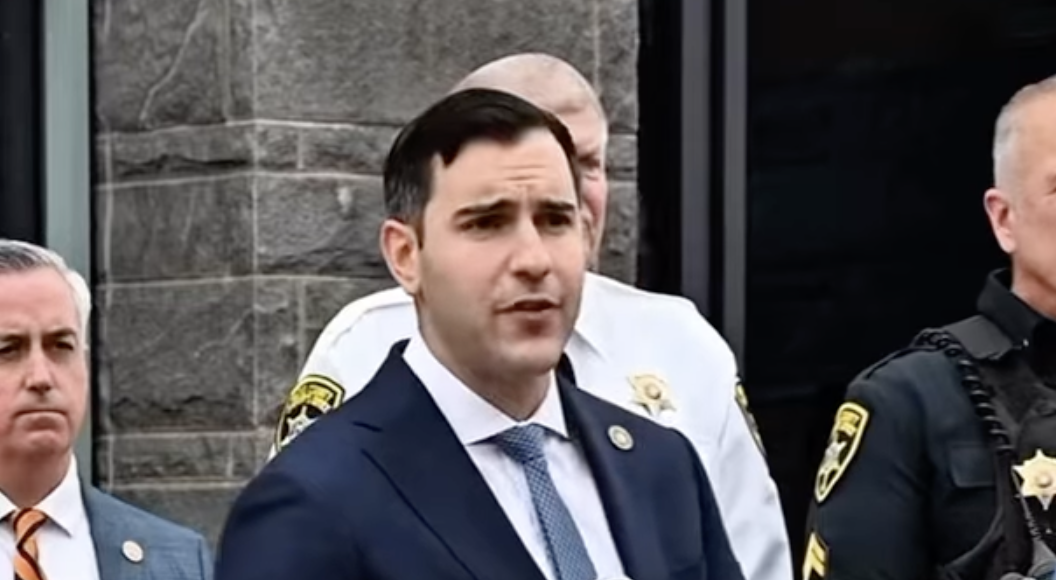
“The bill that they moved is not a solution. It’s not real funding,” said Senator Steve Santarsiero, a Democrat who represents the Tenth Senate District. “It takes the majority of the money that it would put toward mass transit from our public transportation trust fund and it does so by taking money away that’s already obligated for capital expenditures.”
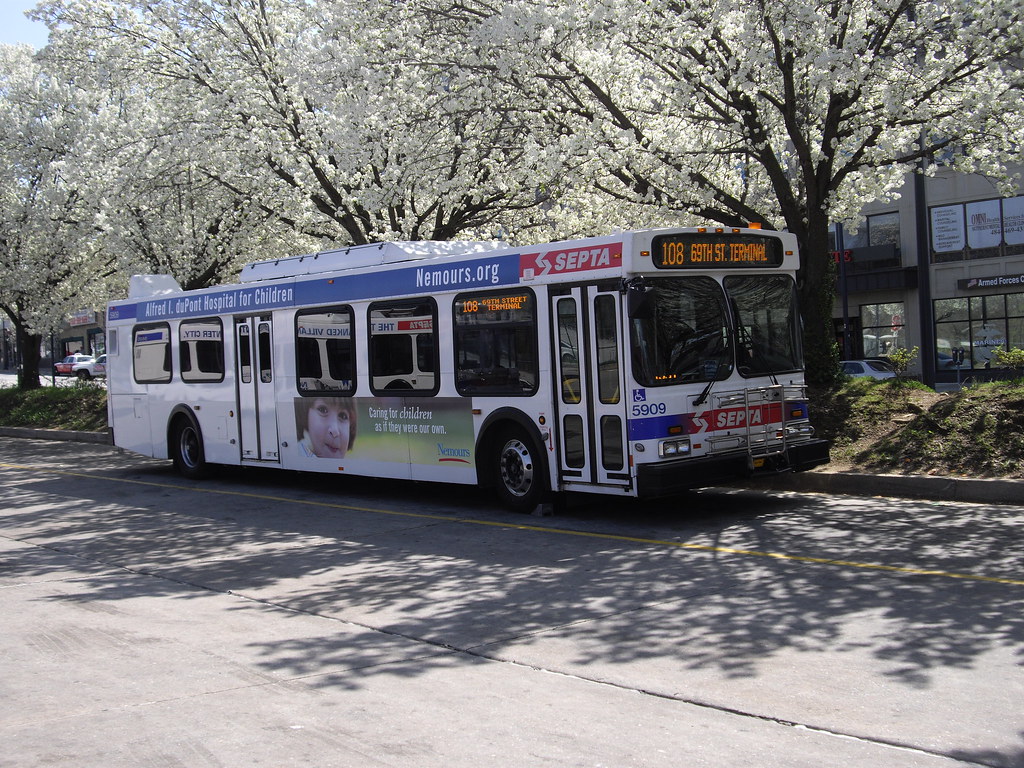
As SEPTA faces a $213 million budget deficit, it announced that if it doesn’t get the additional needed funding, it will be making significant service cuts starting August 24. Furthermore, they added that without a sustainable funding solution, SEPTA will be forced to make further cuts as soon as January 2026.
The cuts SEPTA is making will include, but are not limited to, major route closures, cuts to safety and other regulatory requirements, and fare increases. Democratic State Representative Jim Prokopiak said the Levittown Train Station in his district is slated to shut down at the start of 2026 under the proposed cuts.
Additionally, the proposal would require transit agencies to raise fares every two years, which Democrats say would burden working families. “At a time when people are still struggling, saying that now you are guaranteed to have to pay more for your commute…, [this] is not what we as a state should be doing,” Santarsiero said.
Bucks County Commissioners Chair Bob Harvie (D) criticized the Republican-led Senate’s leadership for a lack of legislative action. “It’s time for people in the state senate to show up for work and do their jobs,” he insisted. Harvie, who serves on the SEPTA Board of Directors, asserts that the planned cuts are not a bluff and will take effect without the additional funding.
On Monday, the Democrat-led House passed House Bill 1788, but it did not move forward in the Senate. The legislation would increase the percentage of sales tax revenue allocated to transit, raising an estimated $167 million for SEPTA, approximately $40 million for Pittsburgh Regional Transit Authority, and over $60 million for transit systems statewide. Democrats assert that the House bill would create sustainable funding not just for southeastern Pennsylvania but for transit throughout the state.
Senator Frank Farry (R-Langhorne) had previously proposed legislation that would tax skill games in order to provide a source for transit funding. Santarsiero told the press he supports Farry’s proposal but also noted Republicans have not voted on it.
Speaking at an agriculture luncheon in State College on Thursday, Governor Josh Shapiro (D) said transit funding talks are still ongoing, and the Senate vote showed both sides are committed to a sustainable solution.
Santarsiero called the Republican proposal a “cynical shell game” and said Republicans should vote on a recurring revenue stream to avoid further complications. “We are prepared to go in any time,” Santarsiero said. “But again, I urge the Republican leadership to focus on a real solution here and offer a real compromise.”
Republicans have previously characterized the current SEPTA funding crisis as “SEPTA-made” but have not clarified on how that could be so. Regardless of the merits of such characterizations, the willful death sentence of a major Pennsylvania transit system is hardly justified. If Republicans in the Senate are concerned with the economic welfare of their constituents, they’ll vote earnestly on a sustainable funding solution so SEPTA riders can affordably travel to their places of work.
Tim Balch is a copywriter in Lansdale.