College athletes: Show me the money
There was a time when college athletes were not allowed to take any money for making endorsements or wearing business logos on their clothing nor get paid directly by schools, as those practices would endanger the athletes’ amateur status. Those sources of money were considered a dark mark on your moral reputation in college sports. As of five years ago, that is no longer true.
The 2021 Supreme Court ruling Johnson v. NCAA changed everything. The National Collegiate Athletic Association had restricted college athletes from earning money while they were in school. But that Supreme Court ruling took away the NCAA restrictions and allowed the athletes to profit from their name, image, and likeness (NIL). The fact that the NCAA, as well as the colleges and universities, had been benefiting financially to the tune of billions of dollars from the college athletes’ physical and emotional efforts on the field and personal appearances seemed totally unfair to these athletes. The athletes and the games they played drew paying audiences to the schools and they received none of that revenue for their efforts.
Now the colleges and universities are allowed to entice players with tens of millions of dollars. The athletes can even transfer from school to school, negotiating for more money from the school to which they are transferring. This causes chaos and a lack of stability in the coaches’ plans for their team. It also upsets the team dynamics: How do you create a close-knit team if your teammates are transferring from school to school due to financial negotiations?
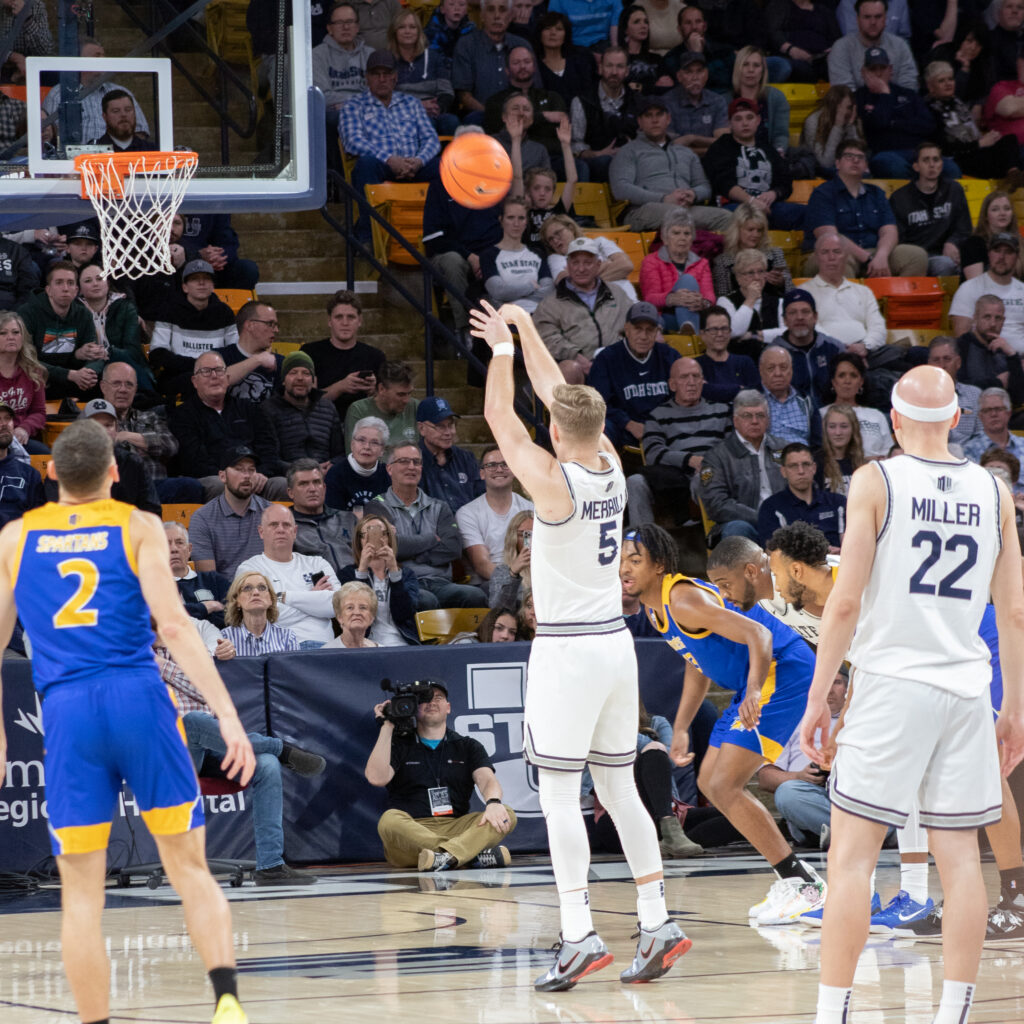
According to the College Sports Commission, in early 2026 almost 11,000 college athletes have secured at least one NIL deal. Most of those are in football or men’s basketball but the practice also filters through to other sports. The NIL deals are usually endorsements or sponsorships, but now schools can pay up to $20.5 million per team in revenue sharing. Football gets the most money, then basketball, and lastly baseball. However, now more players can get paid directly from the schools, but the star players get the most. This also allows elite programs to lure more star players.
NIL Go finds that in the sports powerhouse schools, men’s baseball gets around $365 thousand dollars in third-party deals, averaging about $10,700 per player. That means there are hundreds or low thousands of dollars across Division One school players who are receiving NIL cash. Because of this general confusion and focus on money — instead of school and team loyalty — and apparent lack of emphasis on academics, President Donald Trump recently assembled a “Saving College Sports Roundtable” with representatives from the NCAA, professional sports, and government to debate solutions to these uncontrolled no-cap bidding wars. Hopefully, this roundtable can produce a fair and sensible answer to this crazy show-me-the-money madness.
Football NIL revenue is huge, with quarterbacks and other stars receiving millions from endorsements, social media, and direct school payments. There are many examples of student athletes also earning money from wearing commercial patches on their jerseys, which is now legal.
In a few cases, college athletes are getting paid more in college than they could make as professional athletes. For example, Angel Reese, a Louisiana State University women’s basketball MVP player, received $1 million dollars in her junior year at LSU. After Reese graduated, she has played professional basketball for the Chicago Sky and is officially paid $75,000 per year. Angel is making her displeasure about her lower professional salary publicly known.
However, there are also stories of clever college athletes who were paid millions to play college sports and then invested some of that money; so regardless of their earnings after college, they have a nest egg of savings to cushion their future.
Because of the money and future of the athletes involved, there are now agents and NIL agencies who will assist the athletes to negotiate the best deals, contracts, and third-party endorsements and help ensure there are no shady deals. While there is no official NCAA registry for agents, the College Sports Commission does oversee third-party deals through NIL Go reporting.
Athletes should be careful of “street agents,” unofficial guys like trainers or ex-players who sneak in early, especially for high school players, charging big fees and peddling shady deals. The player should make sure the agent or agency is licensed in the athlete’s state and that they charge low fees (ten to fifteen percent) and no upfront fees. The athletes shouldn’t give into “sign today or no deal” or “in perpetuity” clauses. The agents should not own the athlete’s image forever. All contracts should be transparent and not promise pay-for-play which can destroy the athlete’s eligibility.
Pennsylvania requires agent background checks and registration through the Department of State. There is a public list of agents and agencies online.
When a student athlete receives an NIL deal, the athlete can submit it to NIL Go ([email protected]) to get the deal analyzed. Then based on the information provided, the deal will either be “CLEARED,” meaning it meets necessary requirements and can proceed; “NOT CLEARED,” meaning the deal fails to meet necessary requirements which advises the student athlete they can get the deal revised and resubmit; or “FLAGGED for ADDITIONAL REVIEW,” meaning there are concerns about associated status, compensation amount, or contract terms. In these cases, the College Sports Commission ([email protected]) will conduct an additional review and provide guidance to the student athlete.
There are sure to be other future incentives. However, until the president’s roundtable decides on a fair and equitable way of managing the payments to college student athletes, each athlete will need to make decisions that ensure they are getting a good education and a realistic and fair compensation for all their efforts in their preferred sport.
Carol Dubas is the author of Tripod: How Two Teenage Boys Inspire An Entire Community. She lives in Northampton Township.